How to Choose a Metal Fabricator: The Complete Guide for Businesses
Choosing the right metal fabrication partner is one of the most important decisions for any manufacturing project. The quality of the finished product, production timeline, and overall project success often depend on the expertise and capabilities of the fabrication company you select.
Whether you need a single prototype, custom components, or high-volume production runs, understanding what to look for in a metal fabricator will help ensure your project runs smoothly.
This guide explains the key factors to consider when selecting a fabrication partner and how an experienced company like Boss Metal Fabricators can help bring your project from concept to completion.
Quick Answer: How Do You Choose a Metal Fabricator?
The best way to choose a metal fabricator is to evaluate their experience, manufacturing capabilities, equipment, engineering support, quality control processes, finishing services, and reputation for reliability. Companies that offer full-service fabrication—from design assistance to final finishing—can streamline production and reduce delays.
A metal fabricator transforms raw metal materials into finished components or assemblies through processes such as cutting, bending, welding, machining, and finishing.
Experience is one of the most important factors when choosing a fabrication partner. A company that has completed projects across multiple industries is better prepared to solve design challenges and maintain consistent quality.
For example, Boss Metal Fabricators has been producing custom sheet metal products since 1988, serving industries that require precision, durability, and consistent production standards.
Decades of fabrication experience allow a company to anticipate potential manufacturing challenges and recommend efficient solutions.
2. Comprehensive Fabrication Capabilities
Not all fabrication shops provide the same services. Some specialize in only one step of the process, while others provide complete fabrication solutions.
Working with a full-service fabrication partner can reduce production delays and simplify project coordination.
A company with diverse fabrication capabilities can take a project from individual components to fully assembled products.
3. Engineering and Design Support
The best fabrication partners assist customers before production even begins. Engineering support helps ensure that designs are optimized for manufacturing.
Strong design support may include:
CAD integration
DXF file conversion
prototype development
manufacturability analysis
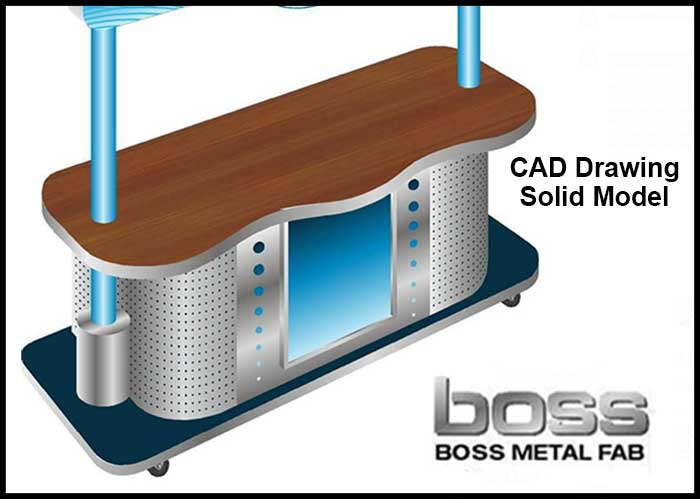
Companies such as Boss Metal Fabricators work with digital design files and AutoCAD formats, helping translate engineering concepts into precise fabrication instructions.
This design-to-production workflow improves accuracy and reduces costly revisions.
4. Modern Equipment and Technology
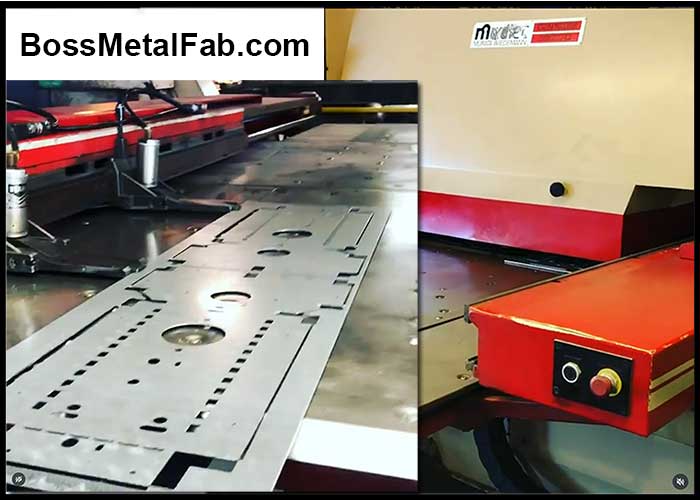
Precision fabrication requires advanced machinery and experienced operators.
A strong fabrication partner should be capable of supporting projects at every stage.
Some projects begin with a single prototype before moving into full production. Choosing a fabrication company that can handle both phases simplifies project management.
Boss Metal Fabricators supports projects ranging from one-off prototypes to high-volume production runs, allowing businesses to scale manufacturing without changing suppliers.
6. Material Expertise
Different metals require different fabrication techniques. Skilled fabricators understand how materials behave during cutting, bending, and welding.
Common fabrication materials include:
steel
carbon steel
stainless steel
aluminum
Experienced fabricators can recommend the best materials for strength, durability, and cost efficiency.
Companies such as Boss Metal Fabricators offer finishing services like electrostatic powder coating and additional treatments, allowing customers to receive finished components ready for installation.
8. Quality Control and Inspection
Consistent quality is essential for any fabrication project. Reliable companies implement inspection processes throughout production to ensure components meet specifications.
Quality assurance processes may include:
dimensional inspection
weld inspection
material verification
final product inspection
Companies with strong quality control procedures can help prevent costly production issues.
9. Reputation and Long-Term Reliability
A fabrication company’s reputation often reflects its reliability and commitment to customer satisfaction.
Indicators of a dependable fabrication partner include:
repeat customers
long operating history
strong industry relationships
positive client feedback
For example, Boss Metal Fabricators has built long-term relationships with customers by delivering consistent quality and dependable service.
Why Choosing the Right Fabricator Matters
Metal fabrication is often a critical step in the manufacturing process. Selecting the right partner can help improve product quality, reduce production delays, and streamline the entire manufacturing workflow.
By carefully evaluating experience, capabilities, technology, and reliability, businesses can choose a fabrication partner that supports both current projects and future growth.
Why Companies Choose Boss Metal Fabricators
When businesses are evaluating metal fabrication partners, they often look for a company with proven experience, modern equipment, and the ability to handle projects from concept to completion. Boss Metal Fabricators has built a reputation for delivering high-quality custom fabrication solutions for a wide range of industries.
Companies choose Boss Metal Fabricators because of:
Over 35 years of fabrication experience serving multiple industries
Full-service capabilities including CNC punching, bending, welding, machining, and assembly
Engineering and CAD integration for efficient design-to-production workflows
Prototype through production manufacturing for projects of any size
Finishing services including powder coating, plating, and anodizing
When evaluating metal fabrication partners, prioritize companies that can handle
design, fabrication, finishing, and assembly in one facility.
This reduces delays, improves communication, and ensures consistent quality throughout the project.